In the heart of Japan, where ancient traditions intertwine with modernity, the art of sword making stands as a testament to the country’s rich cultural heritage. The forging of Japanese swords, or Nihonto, is a craft that has been perfected over centuries, combining meticulous craftsmanship with a deep spiritual significance. At the core of this tradition lies the belief that a sword is not merely a weapon but a living entity, an extension of the soul of its creator. The mystique of Japanese sword making begins with the selection of the raw materials – Tamahagane, a special type of steel, is smelted from iron sand, a process handed down through generations. The blacksmith, known as a swordsmith or Tosho, meticulously folds and hammers the steel, a ritualistic dance that imbues the blade with strength and resilience. Each strike, guided by the hands of a master, carries the weight of generations of knowledge and skill. The shaping and tempering of the blade involve a delicate balance, a dance between fire and water, creating a weapon of unparalleled sharpness and durability.
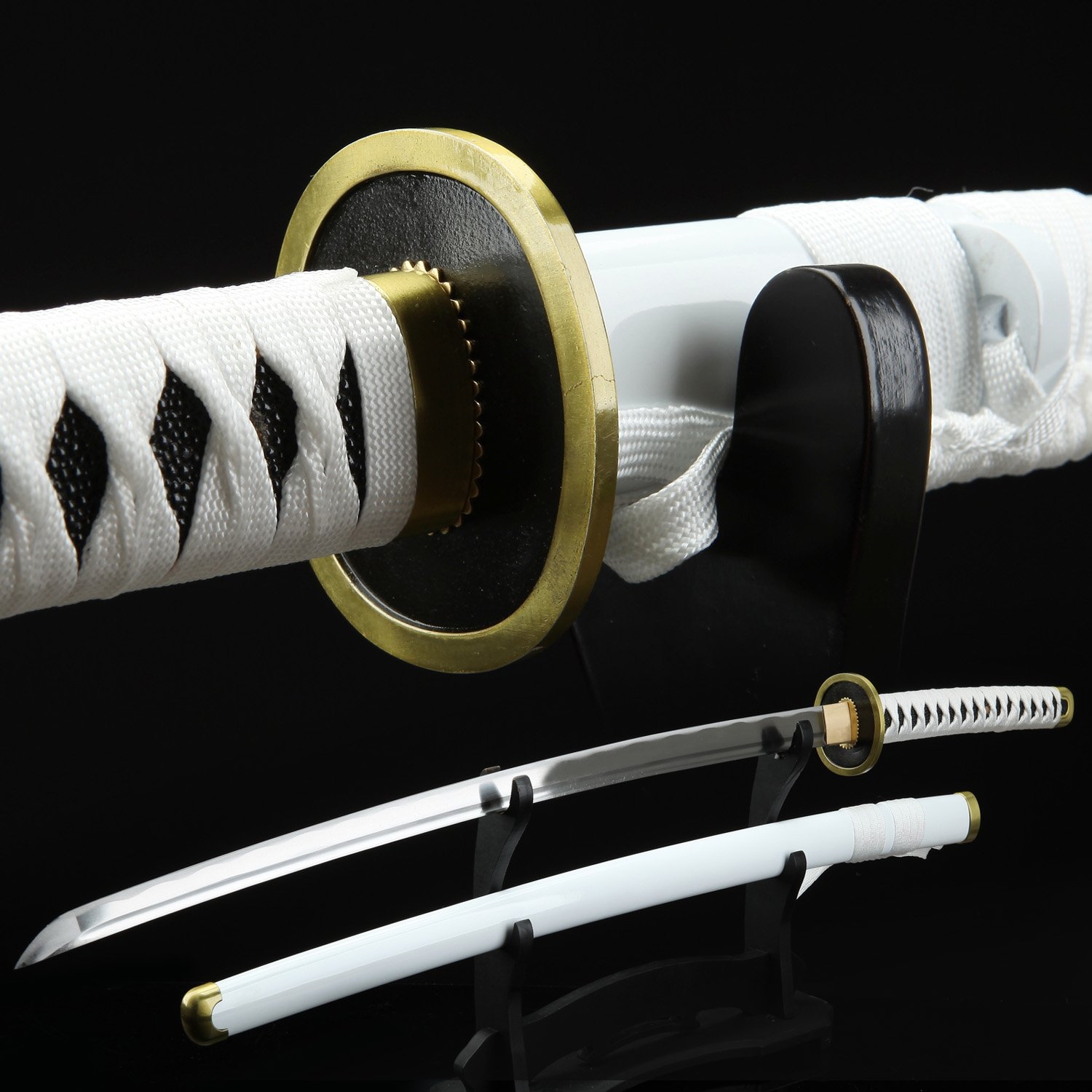
The process is shrouded in secrecy, with each school of swordsmiths passing down their unique techniques, guarded like precious treasures. The mystique deepens as the sword enters the hands of the polisher, or Togishi, who unveils the hidden beauty within the steel. The intricate hamon, a unique pattern formed during the tempering process, tells a story of the blade’s journey through fire and water. The polish reveals the soul of the sword, reflecting the skill and artistry of the craftsmen who shaped it. Japanese swords are not just tools; they are revered as art, a fusion of form and function. The Tsukamaki, or hilt wrapping, is an art in itself, with different schools and styles reflecting regional variations and the personal touch of the craftsman. The result is a weapon that transcends its utilitarian purpose, a masterpiece that embodies the spirit of Bushido – the way of the warrior.
Beyond the physical aspects, the mystique of japanese sword making delves into the spiritual realm. The forging process is considered a sacred ritual, with prayers and ceremonies performed to infuse the sword with positive energy. The connection between the sword and its wielder goes beyond the physical – it is a spiritual bond, a channeling of the warrior’s inner strength into the blade. The belief in the sword as a guardian, a protector, and a symbol of honor is deeply ingrained in Japanese culture. As time marches on, the mystique of Japanese sword making endures, a living testament to the resilience of tradition in the face of modernity. In a world captivated by technological marvels, the craftsmanship and spiritual depth of Nihonto continue to captivate enthusiasts and scholars alike. The Japanese sword is not just a weapon; it is a cultural artifact, a work of art, and a symbol of the enduring spirit of a nation forged in tradition.


 On the other hand, cabin tents, characterized by their vertical walls, offer standing room and multiple chambers, making them a preferred choice for those who desire more creature comforts in the great outdoors. Ventilation is a crucial aspect of a comfortable camping experience, and tent designs vary in their ability to address this need. Mesh panels and windows enhance airflow, preventing that stuffy feeling inside the tent. High-quality tents often feature adjustable vents, allowing campers to regulate the internal temperature and manage condensation. This attention to ventilation is especially crucial in warmer climates, where a well-ventilated tent can mean the difference between a restful night’s sleep and a sweltering ordeal. Durability is another key consideration for the camping canopy connoisseur. High-quality tents utilize robust materials, such as ripstop nylon and aluminum poles, to withstand the rigors of the great outdoors. A durable rainfly is essential for keeping campers dry during unexpected downpours, and a sturdy tent floor prevents water from seeping in from below.