
Thinking about skipping a building and pest inspection to save time or money? Trust me, that’s a shortcut you’ll almost always regret. Before you sign anything, you want a real sense of what’s going on behind those freshly painted walls—otherwise, you might be setting yourself up for some very expensive (and stressful) surprises.
Let’s break it down together.
The Real Cost of Skipping Inspections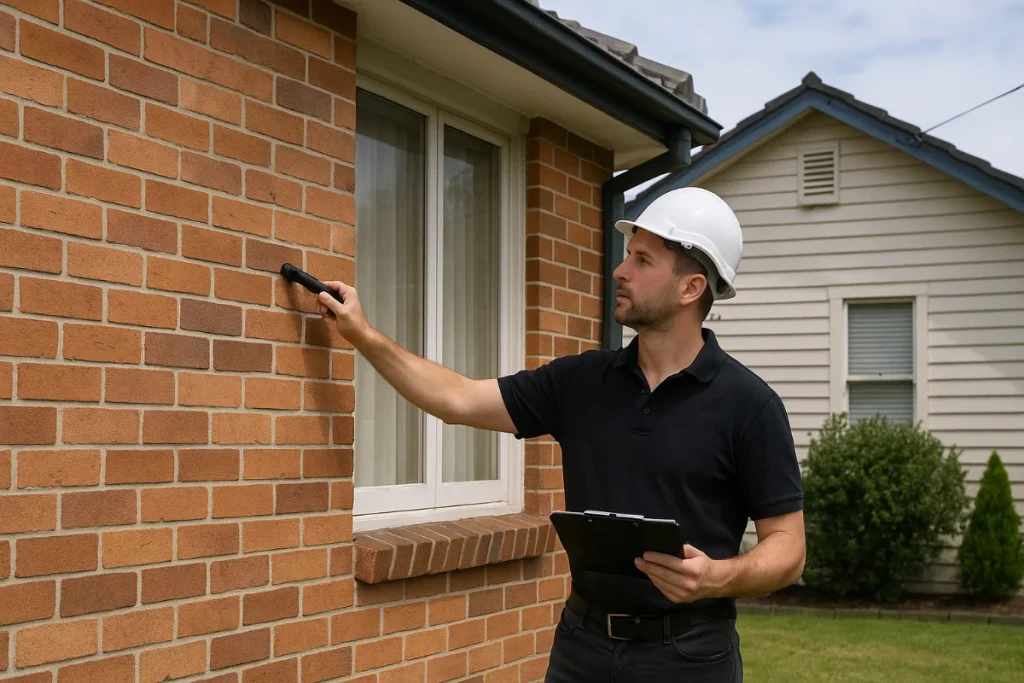
Not convinced inspections are worth it? Here’s what you could be risking:
– Surprise repairs: Think hidden structural issues, termite infestations, or sneaky mold. These can cost thousands—way more than any inspection fee.
– Insurance headaches: Missed problems can mean higher premiums or even trouble getting coverage.
– Deal delays: Unresolved issues can slow down your financing or even kill your contract.
– Lost leverage: You can’t negotiate fixes or price drops for problems you don’t know about.
Bottom line: An inspection is a smart investment, not an optional expense. To ensure your next property is thoroughly checked, consider working with https://houseflybuildingandpest.com.au/.
How Inspections Actually Protect You
Let’s say you fall in love with a place. An inspection gives you:
– A clear picture of what you’re buying (not just what the seller wants you to see)
– Negotiation power: Find a problem? You can ask for repairs, credits, or a better price.
– Peace of mind: No more worrying about what’s lurking in the attic or crawl space.
– Budget control: You’ll know what needs fixing now versus later, so you can plan ahead.
Common Pest Red Flags—and What They Mean
Pests aren’t just a nuisance—they’re clues. Spotting certain bugs (or their traces) can reveal much bigger issues.
Quick Pest Clues to Watch For
– Termite mud tubes: These mean termites are active and could be chewing through your walls as you read this.
– Droppings or nests: Rodents and insects usually stick to hidden, damp spots—think leaky pipes or poorly sealed crawl spaces.
– Wood that sounds hollow: Tap it. If it feels soft or hollow, that could be rot or termite damage.
Don’t buy into these myths:
– “One can of spray will fix it.” Nope—superficial fixes won’t touch a hidden colony.
– “If I don’t see pests, there aren’t any.” They’re experts at hiding.
Structural Issues: What Your Eye Might Miss
You’re probably not crawling under the house or peering inside the walls during a showing, right? Here’s what a pro will look for—and why it matters.
Sneaky Signs of Trouble
– Soft floors or sagging beams: Could be wood rot hiding underneath.
– Cracks near doors/windows: Especially those wider than a credit card or running diagonally—might mean foundation movement.
– Stuck windows or doors: Sometimes it’s just humidity, but it can also mean shifting foundations.
Pro tip: Always document cracks—take photos and measurements, and see if they change over time.
Why You Need a Pro Inspector
A good inspector isn’t just a “box checker.” Here’s what they bring to the table:
– Expert eyes to spot risks you’d miss
– Tools and tech (like moisture meters or thermal cameras) to look below the surface
– Unbiased advice—they work for YOU, not the seller
– Clear reports you can use for negotiations
Ask them to:
– Explain what’s urgent vs. what can wait
– Give you a detailed, photo-filled written report
– Walk you through the findings in plain English
How to Negotiate After the Inspection
So you got your report—and there are issues (there are always issues). Now what?
Here’s how to handle it:
- Make a prioritized repair list: Safety and big-ticket repairs first, cosmetic stuff last.
- Get real quotes: Don’t guesstimate—ask contractors for estimates.
- Negotiate repairs or credits: If the seller won’t fix something, ask for money off or a closing credit.
- Set clear deadlines for repairs or credit agreements, and get everything in writing.
Tip: If negotiations stall, don’t be afraid to walk away. Your finances and wellbeing come first.
When Should Inspections Happen?
Timing is everything! Here’s a quick timeline:
– Before you make an offer: If you’re in a bidding war and want to stand out.
– After your offer is accepted: This is the most common. Make sure it’s within your “due diligence” or “contingency” period.
– Schedule both building and pest inspections together—it saves time and makes negotiations smoother.
Don’t wait: The sooner you know what’s up, the more options you have.
Why Insurance & Safety Matter
A missed hazard isn’t just a money problem—it can be a safety issue, too.
– Insurance companies care: Some might not even insure homes with certain defects or outdated systems.
– Safety is non-negotiable: Electrical issues, faulty smoke detectors, or bad ventilation can put lives at risk.
– Stay compliant: Make sure your new place meets local codes and standards.
Real-Life Wins: Inspections That Saved the Day
– Case 1: An inspection uncovers rotten floor joists in a cute old cottage. Buyer negotiates a $10,000 repair credit!
– Case 2: Pest report finds active termites in a “move-in ready” home. The seller pays for full treatment—saving the buyer a huge headache.
– Case 3: Drainage issues spotted early mean mold is fixed before it spreads—avoiding future health and repair bills.
The common thread? A qualified inspector made all the difference.
How to Find an Awesome Inspector
Checklist for choosing right:
– Proper licensing and insurance
– Solid experience with your property type
– Glowing recent references
– Clear, detailed sample reports (with photos!)
– Transparency about what’s covered—and what isn’t
Ask them things like:
– “What’s your process for reporting urgent vs. minor issues?”
– “How soon will I get your report?”
– “Are you a member of a professional body?”
– “Can you walk me through your findings in person?”
Don’t just go for the cheapest—go for the most thorough and trustworthy.
Final Word
Buying a home is a big deal. A building and pest inspection is your best friend in this process—saving you money, stress, and regret. So don’t skip it! Do your homework, ask questions, and invest a little upfront for a much smoother, safer experience.
Ready to schedule?
Find a licensed inspector you trust, and make that call before you sign anything. Your future self will thank you!